

Coeliac (or Celiac) Disease. Where do you start? This page will give you some good resources to help you start your journey to understand this disease.
Coeliac Support Groups
In Australia, the local support group is Coeliac Australia. Their website has resources for individuals (including fact sheets in several languages), businesses that wish to serve gluten-free food and health professionals.
Awareness Resources
Coeliac Awareness Week 2025 Poster (Coeliac Australia)
Self Assessment & Screening
3 minute Self-assessment quiz (Coeliac Australia)
Screening asymptomatic people for coeliac disease (ABC Health Report)
Coeliac Disease – What’s Happening to the Villi
The Villi are small projections that line the small intestine, and their purpose is to absorb nutrients from the food you eat. The more villi and the taller the villi, the greater the surface area to absorb nutrients. The first photo below shows healthy villi.
If you have coeliac disease, your immune system’s reactions to gluten inflame and flatten the villi. This is called villous atrophy. This reduces the surface area of the bowel, and so reduces nutrient absorption. The second photo below shows villi affected by coelic disease.

Figure 1: Healthy Villi
Credit: Science Picture Co/Getty Images
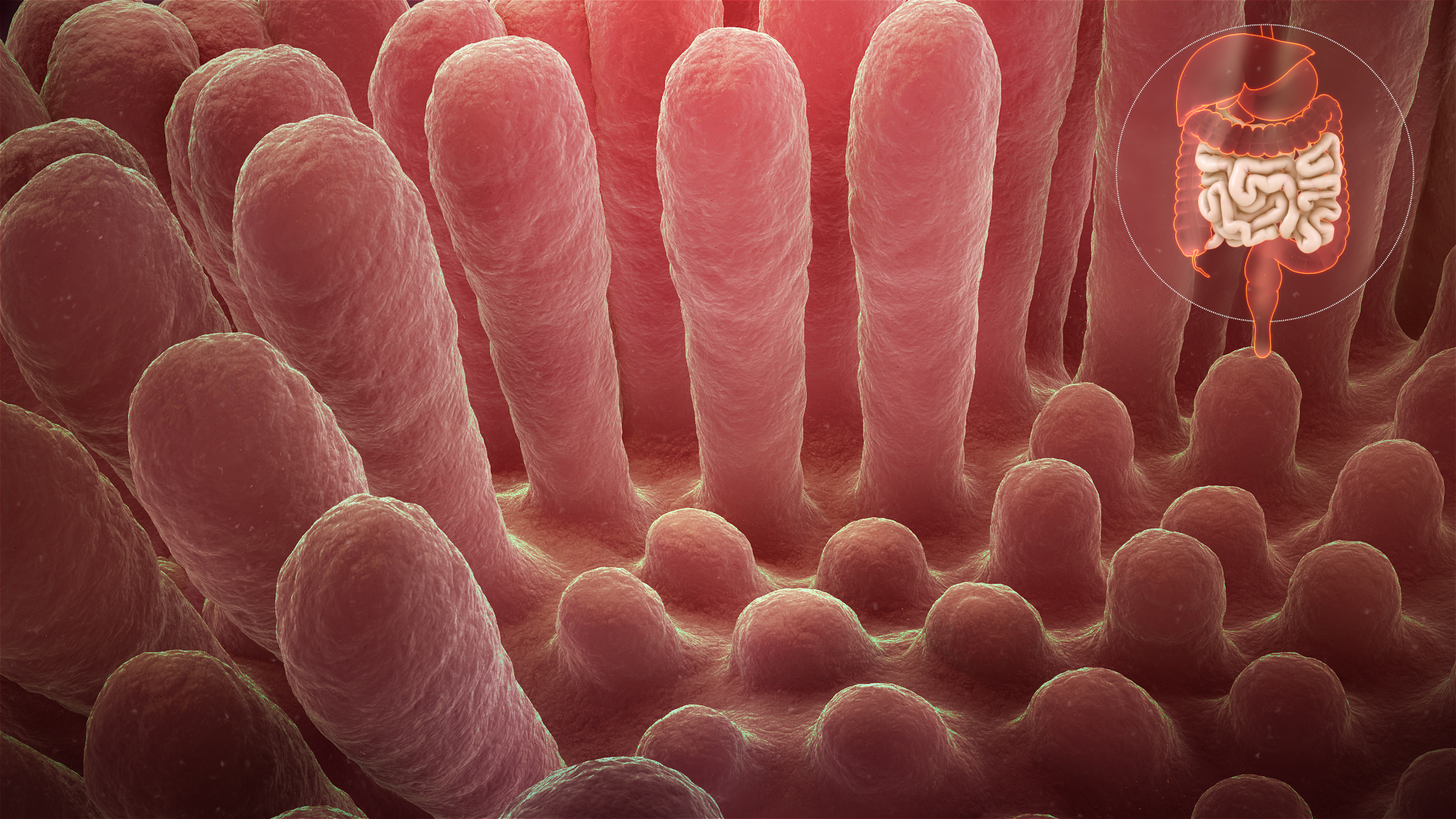
Figure 2: Inflamed Mucous Layer of the Intestinal Villi
Attribution: www.scientificanimations.com, CC BY-SA 4.0 https://creativecommons.org/licenses/by-sa/4.0, via Wikimedia Commons
Marsh Criteria
The “Marsh Classification” was developed by Dr. Michael Marsh to describe the levels of microscopic damage to the villi. The current Marsh Criteria (also referred to as Scores or Stages) are used by your medical specialists to document the level of damage to the villi. Typically people diagnosed with Coeliac Disease have a Level 3 criteria.
